
Building an 8-way touchscreen switch panel: what's settled, what's still open
The TC-SWT10 is pre-production. Samples are out for evaluation, the touch response is still being tuned, and parts of the specification can still move, so this is an account of where it has got to rather than a product page.
The TC-SWT10 is an 8-way touchscreen switch panel we are still building. Samples exist and go out for evaluation, the touch response is still being tuned, and parts of the specification can still move before the model goes to production.
That makes this a development note rather than a product page. Some of it is settled hardware that would be expensive to change now. The rest is genuinely open, which is why the second half of this is written as questions instead of answers.
What is settled
Three things are fixed, and they are the three that would cost the most to change late.
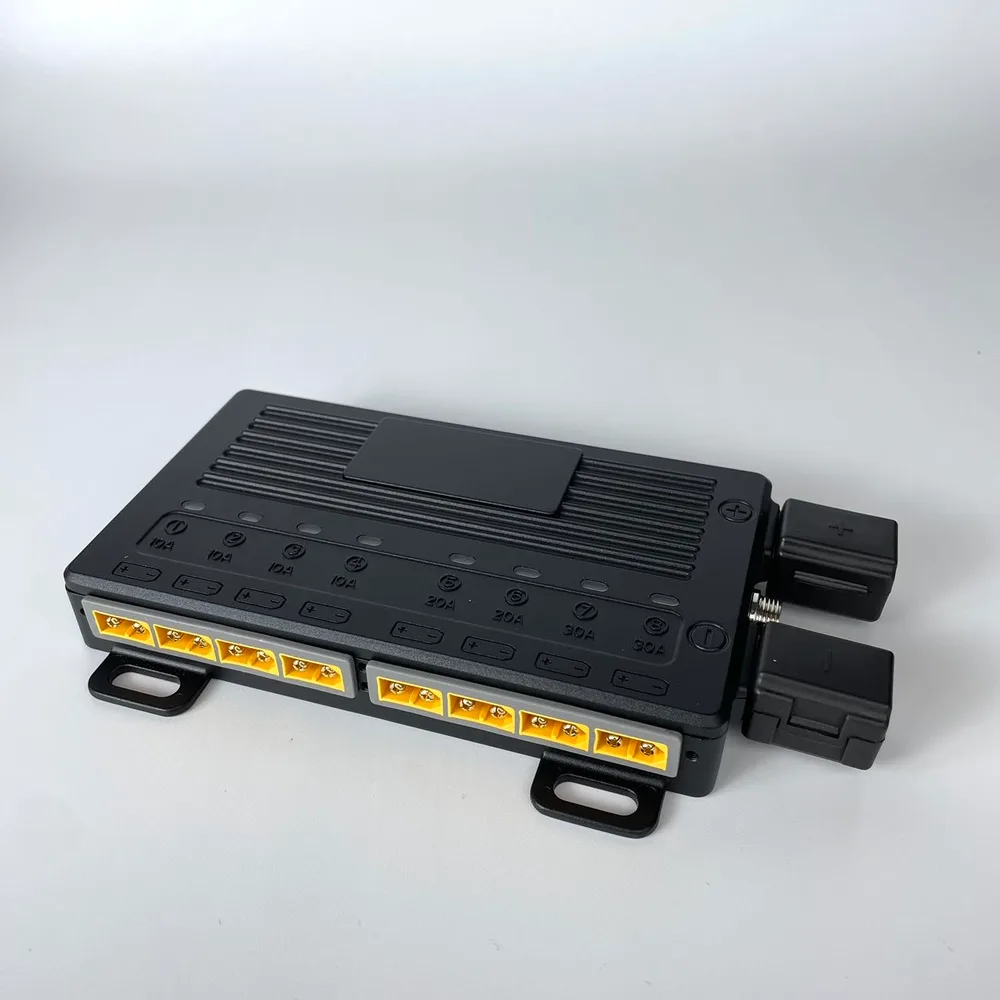
Electronic-fuse switching on every channel. No mechanical contact closes under load, so there is nothing to pit, nothing to weld shut, and nothing to start chattering six months in while somebody hunts for the fault at the other end of the loom. A channel asked for more than it is rated for opens, and it clears itself once the fault is gone. Whether solid-state or relay switching suits a given build is a separate argument, and we make it with our own hardware in the comparison between the TC-SW6 and the TC-SW6R.
Eight circuits, 12 to 24V DC, ≤80A in total and 900 to 1200W. That voltage band covers a 12V ute and a 24V truck on the same part number, which is not true everywhere in the range: the relay-switched TC-SW6R is 12V only, because its relays are 12V coil parts. Total current is the figure that constrains a build rather than the switch count, and sizing a panel by current rather than by switch count is the piece worth reading before specifying this one or any other.
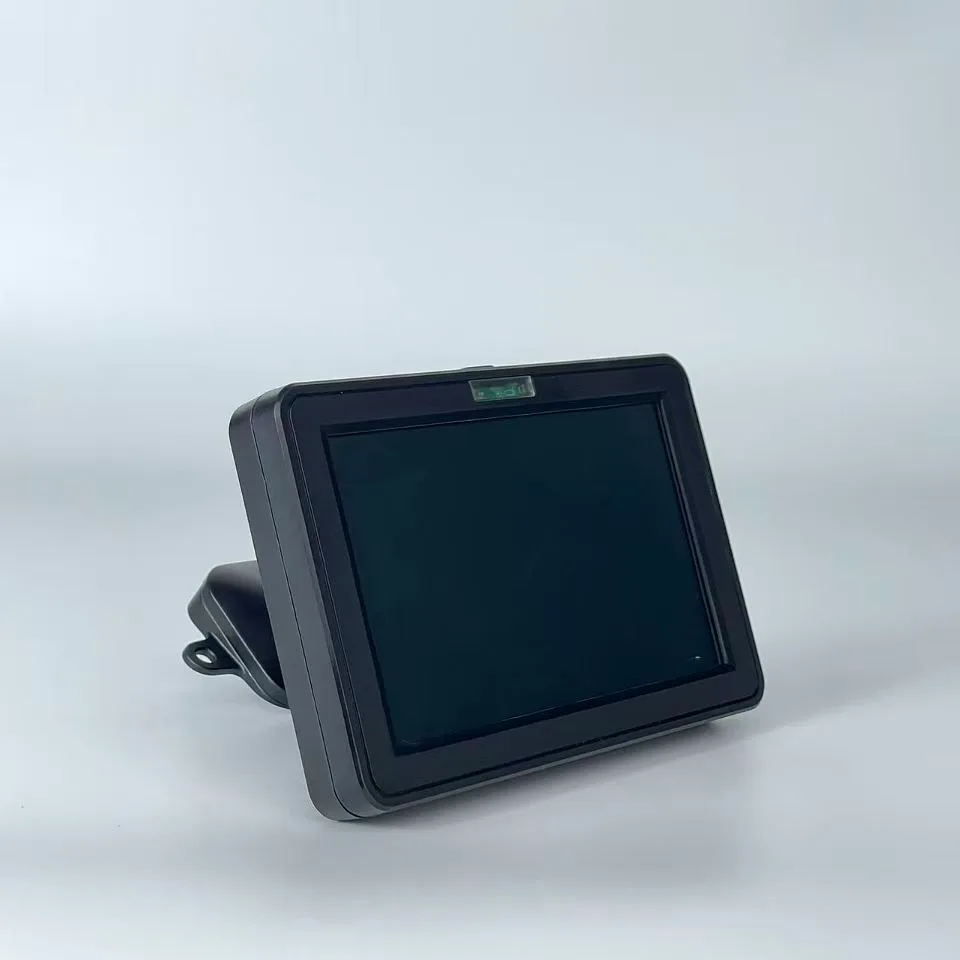
The display mounts on a stalk rather than in the dash. The 5-inch screen sits on a swivel joint at the top of a stalk, and the stalk bolts down to a surface. There is no rectangular aperture to measure and cut. The hole only has to pass the cable and its connector, which is why we are relaxed about not publishing panel dimensions yet: on a flush panel that gap would stop an installer, and here it does not.
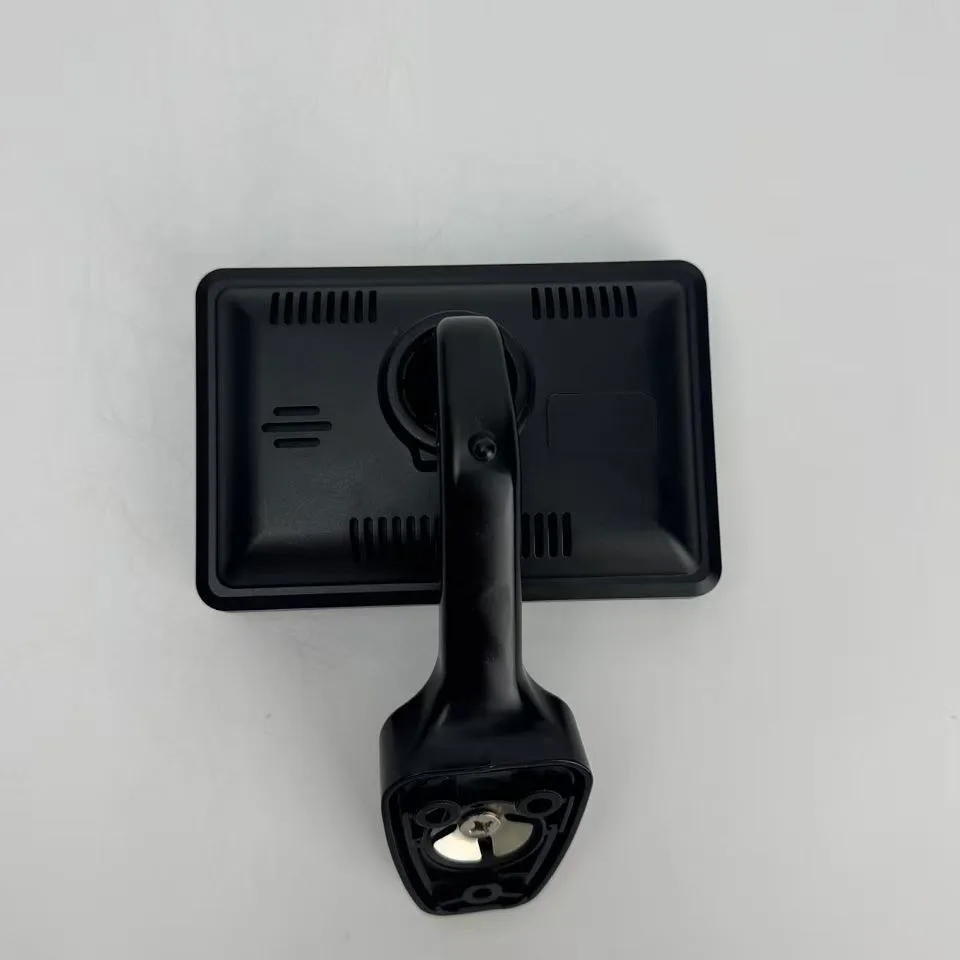
Everything else about the structure is what we build on every panel. The control box goes in the engine bay near the battery, the display goes in the cab, and what crosses the firewall is signal rather than load. Wiring an 8-gang switch panel sets that layout out step by step.
What we are still working on
Four open points. Each one is a real question rather than a feature we are being coy about, and on every one of them we would rather hear from people who fit these for a living than settle it between ourselves.
Touch response. This is a touchscreen on a vehicle that moves, which is a harder target than a phone on a desk. We are still tuning how it reacts: how deliberate a press has to be, how it behaves through a glove, and what it should ignore on a corrugated road. What would you want it to do while the vehicle is moving?
The low-voltage cut-off. The panel has one. We have published no cut-off voltage and will not until the production line confirms one in writing, so the useful question comes first: what voltage should it shed non-essential loads at by default, and should that be adjustable or fixed? A fixed threshold is one less thing a customer can set wrong. An adjustable one is one more thing a fitter can match to the battery actually in the vehicle.
Per-channel current on the screen. Showing what each circuit draws is on the list. What is not settled is what that reading is for, and the two possible answers lead to different designs: a number you glance at to see that something has changed is not the same as a number somebody would put in a fault report, because the second needs a stated accuracy and the first does not. Which of those do you need?
How the eight channels should be graded. Our eight-button panels split theirs 2×30A, 2×20A, 2×10A and 2×5A. The right split for this one is still open. If you supply workshops, what does the real load list look like at your end, and where does the current actually go?
Samples, and what would help
The TC-SWT10 is at the stage where evaluation samples go out. If you want one in front of you, or you have a requirement you would want it to meet, tell us what you need and say which of those four points matters most to your customers.
We are not quoting terms on this model yet, for the same reason the specification is not final. When it goes to production, the people who answered the four questions above are the ones who will recognise what came back.